

A free code read tells you which test your car failed. It doesn't tell you which part failed. That gap is where most wasted repair money goes.
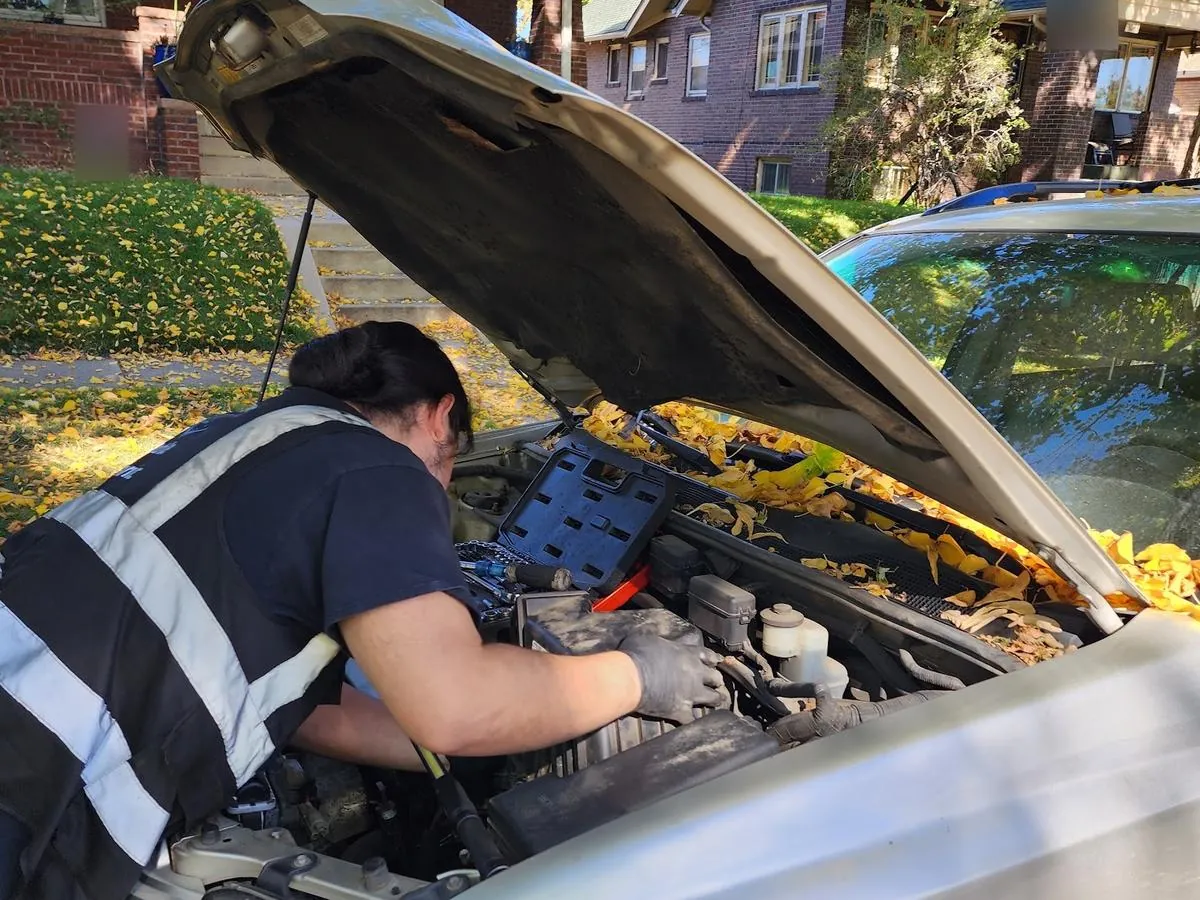
When your check engine light comes on, we come to your driveway, office lot, or curb, scan the car properly, and run a real check engine light diagnostic to confirm the cause. Once you OK the repair, we pick up the parts and fix it, usually in the same visit.
Call 720-507-7918Many auto parts stores will plug a handheld reader into your OBD-II port (every car and light truck sold in the U.S. since the 1996 model year has one) and tell you the code. That's a useful first step. But a code like P0171 or P0420 names a check the engine computer ran and failed, not a part. One code can have several causes:
That's why "the code says oxygen sensor" so often ends with a new sensor and the same light a week later.
Stored engine codes, a generic one-line definition, and often a suggested part to buy. Basic readers usually see only the engine (powertrain) codes.
Stored and pending codes, freeze frame data, live sensor data, readiness monitors, other modules like ABS and airbag where the car supports it, then hands-on tests to confirm the cause.
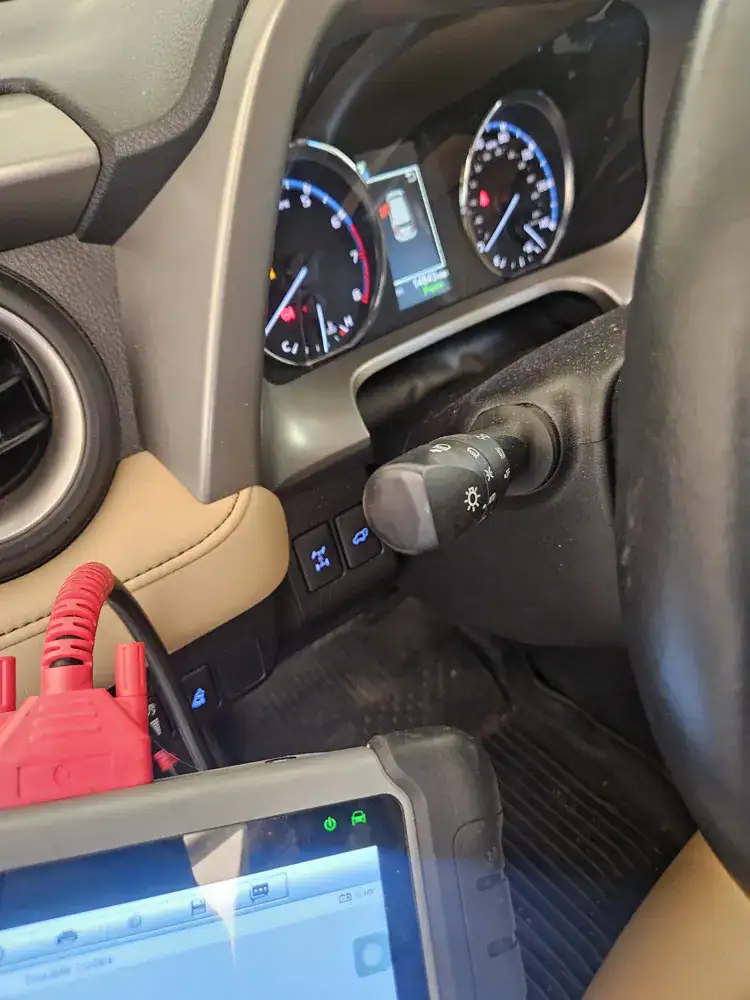
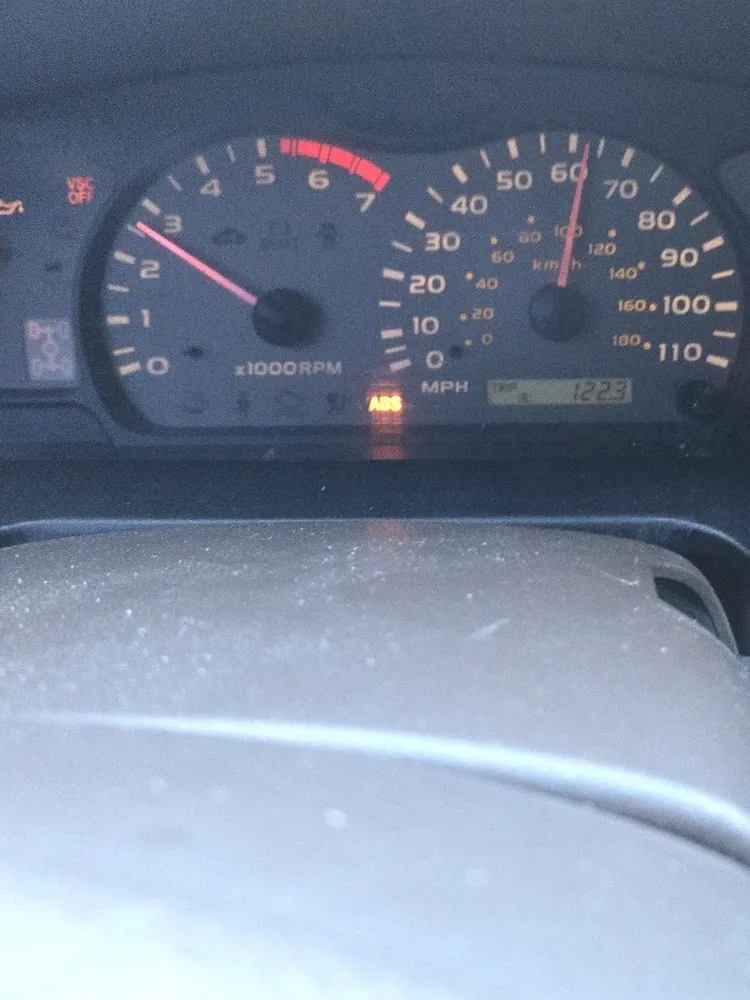
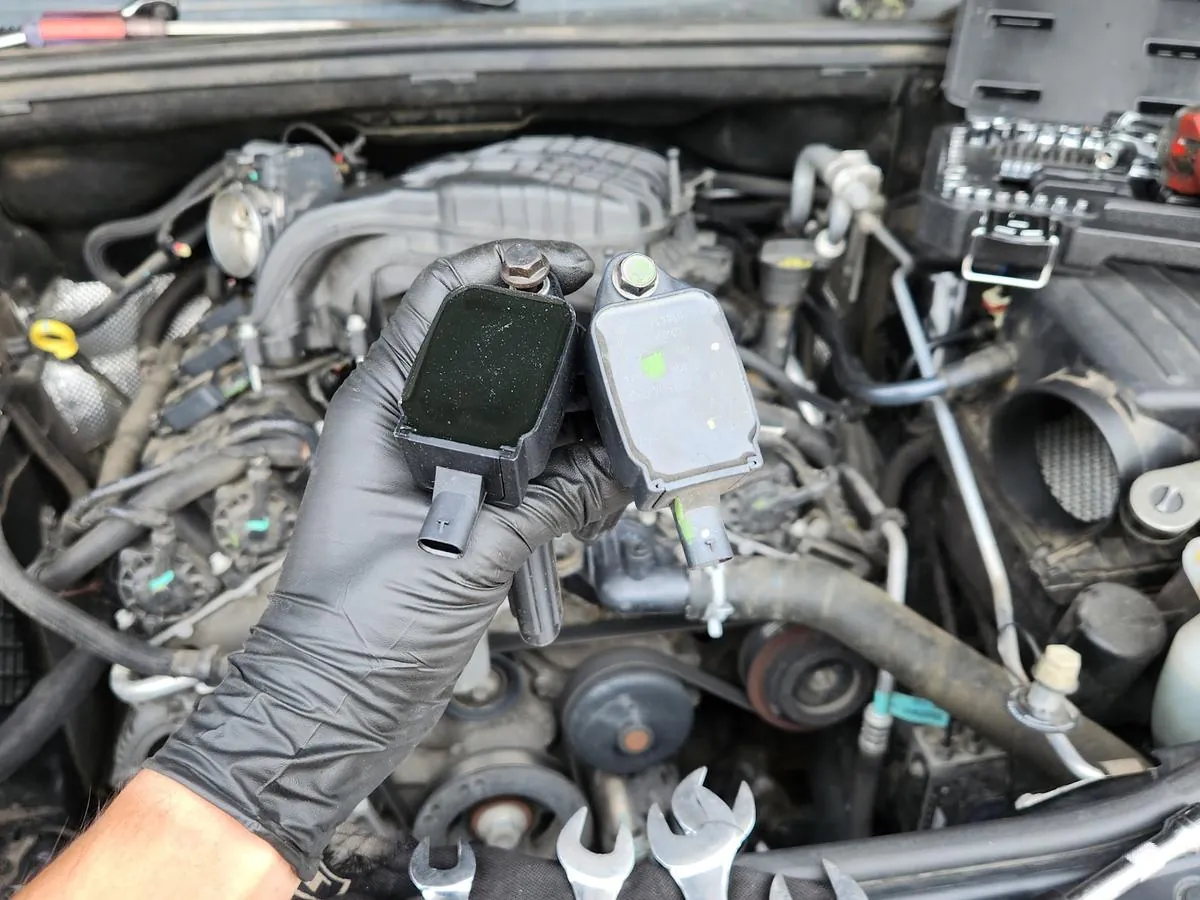
A check engine light visit generally goes like this:
Please don't clear the code before we see it. Clearing codes or disconnecting the battery erases the freeze frame data we use to find the cause and resets the readiness monitors, so the car may not be ready for a Denver-area emissions test for a while. If the fault is still there, the light comes back anyway.
Sometimes it is. If the light came on right after a fill-up and the code is a small EVAP leak, tighten the gas cap and drive normally for a few days. The light can go out on its own once the system re-tests.
If it comes back, or the code is a misfire, lean or rich condition, or converter code, or the car drives differently, that's when diagnosis pays for itself. It's the same reason we test before replacing parts on a no-start: see how we tell a bad battery from a bad starter. A weak battery or charging problem can also set off unrelated warning lights, so we check voltage too.
For more, see our mobile car diagnostics service in Denver and the top car diagnostic tests we run.
We work across Denver and nearby suburbs including Aurora, Lakewood, Arvada, Westminster, Thornton, and Littleton.
No. A free code read gives you the trouble code and a generic definition. A diagnostic adds freeze frame data, pending codes, live sensor data, and hands-on tests that confirm which part or circuit actually failed.
If it's solid and the car drives normally, short, gentle trips are usually OK until it's checked. If it's flashing, the engine is likely misfiring badly enough to damage the catalytic converter, so ease off and call us. If the temperature gauge is high or the oil pressure light is on, pull over and shut the engine off.
No. It only turns the light off for now, erases the data we use to find the cause, and resets the readiness monitors needed for an emissions test. If the fault is still there, the light comes back.
Yes. We bring the scan tool and test equipment to your driveway, parking lot, or curb. Most of the time we can diagnose and repair in the same visit: once you approve the repair, we pick up the parts and finish the job.
It depends on the vehicle and the problem, so we quote by phone. Call 720-507-7918 with the year, make, and model, the code if you have one, and what the car is doing, and we'll give you a quote for your car.
Tell us the code, if you have one, and where the car is parked. We come to you, diagnose it, and tell you exactly what failed. Once you approve the repair, we get the parts and finish the job.
Call 720-507-7918